

Coiled Tubing
The Invention of Coiled Tubing
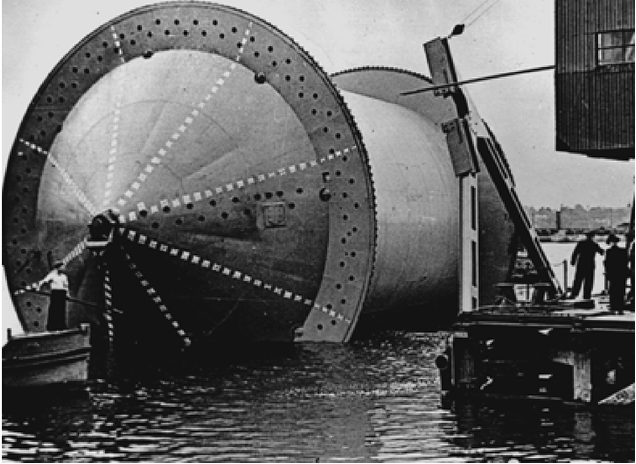
In the 1940’s, Operation PLUTO (Pipelines Under the Ocean) laid long continuous pipelines to transport fuel from England to Europe. The chain drive technology was adapted by Bowen Tools for use in oil and gas wells by 1962.
The Power of Pumping
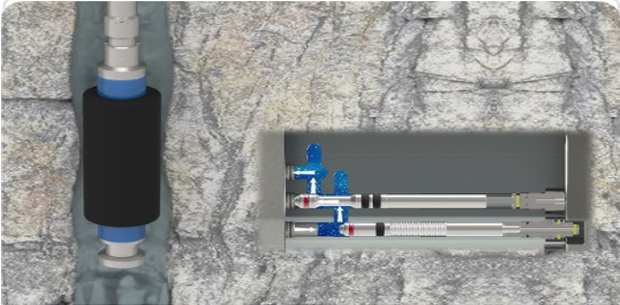
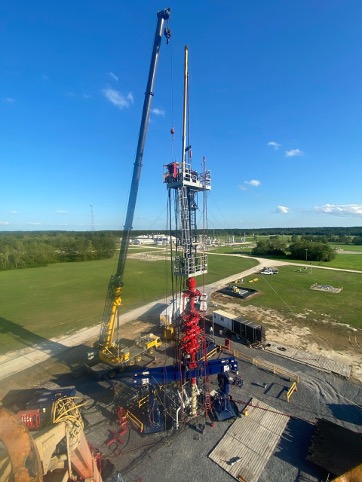
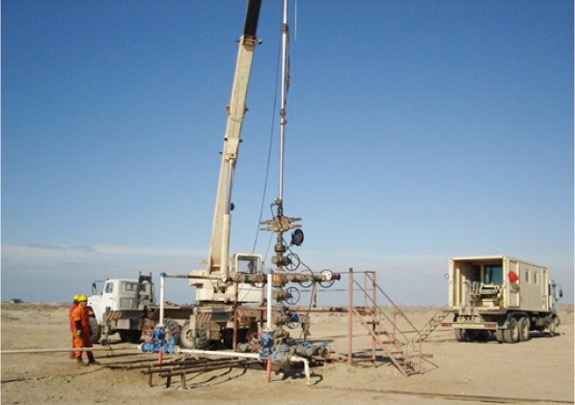
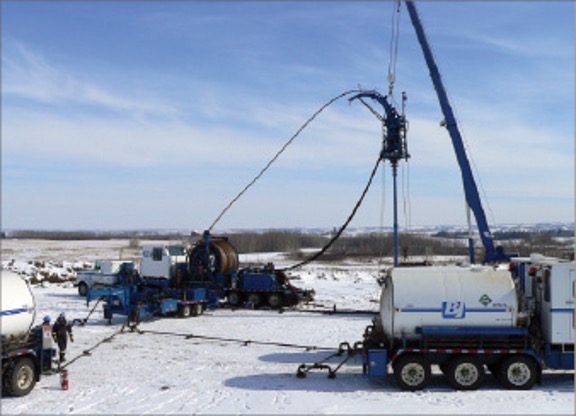
Coiled Tubing is an effective well intervention method because it is able to place fluid at any location in a well, and because there are no connections, it can be moved along the wellbore while pump pressure is still applied. This pumping while moving ability allows for quick treatments of entire productive zones of a well.
Products sub-sub-category
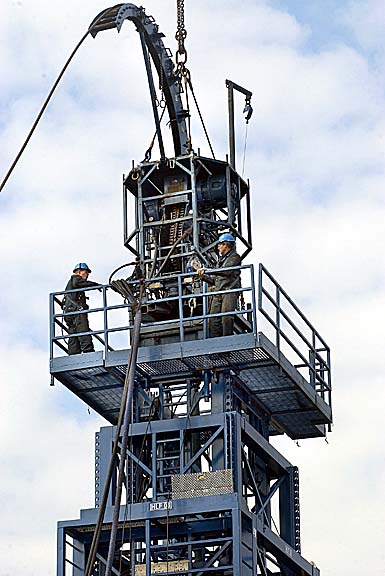
Coiled Tubing Well Cleanout and Production Restoration
Well cleanout and production restoration involve removing downhole restrictions that reduce fluid flow, increase pressure losses, or prevent access to producing zones. Coiled tubing provides an effective means of circulating fluids and deploying specialized tools while targeting sand, scale, wax, frac-plug debris, and accumulated liquids.
Removing solid deposits and debris
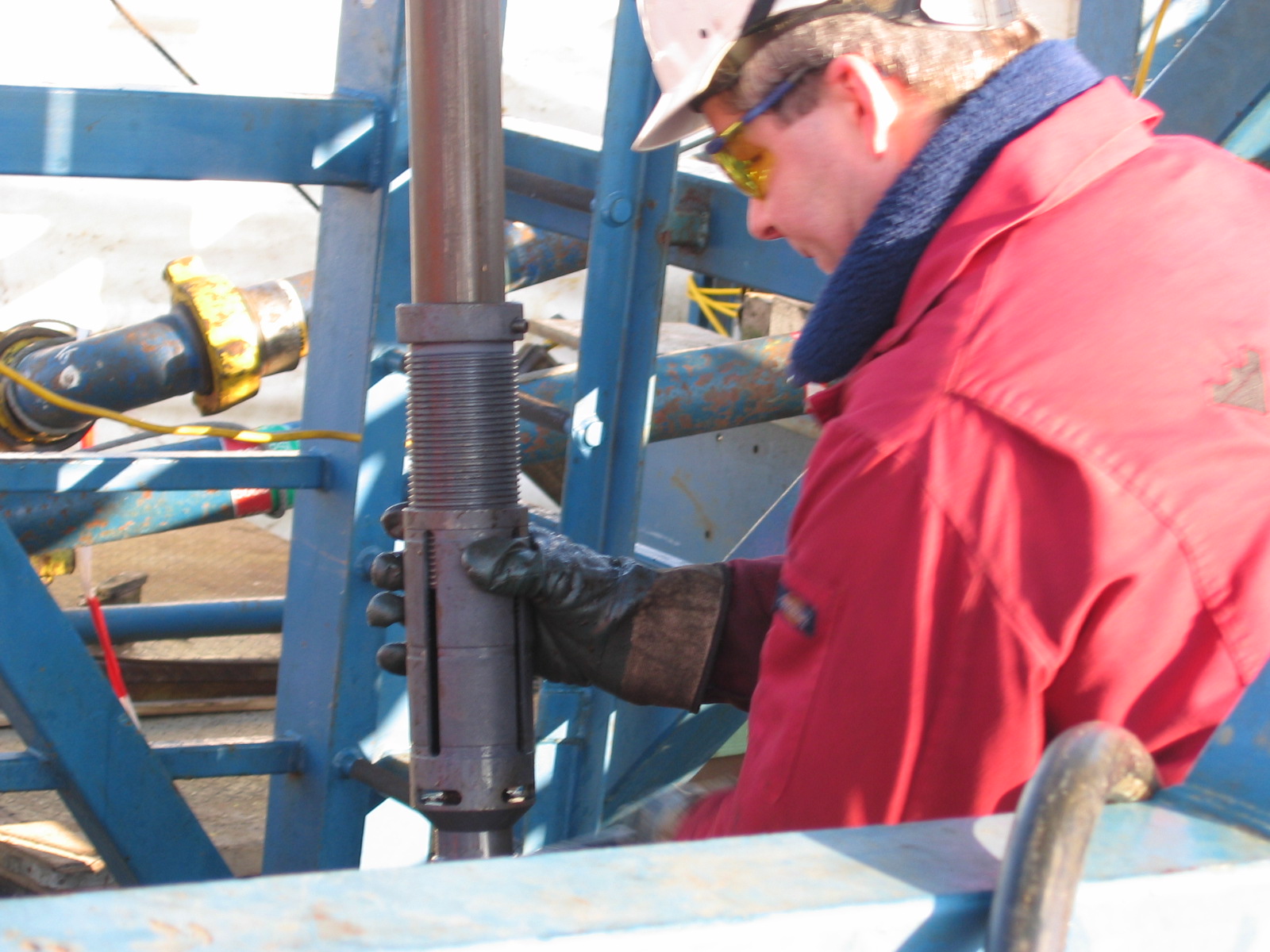
Sand, mineral scale, wax, and frac-plug remnants can restrict the wellbore or obstruct production equipment. Coiled tubing can convey jetting tools, mills, solvents, and cleanout fluids directly to the affected depth, allowing deposits to be loosened and circulated to the surface.
Unloading liquids and restoring flow
Water and hydrocarbon liquids can accumulate in low-pressure gas wells, creating hydrostatic pressure that suppresses production. Coiled tubing can inject nitrogen or other lightweight fluids to reduce the liquid-column pressure, unload the well, and help reservoir fluids begin flowing again.
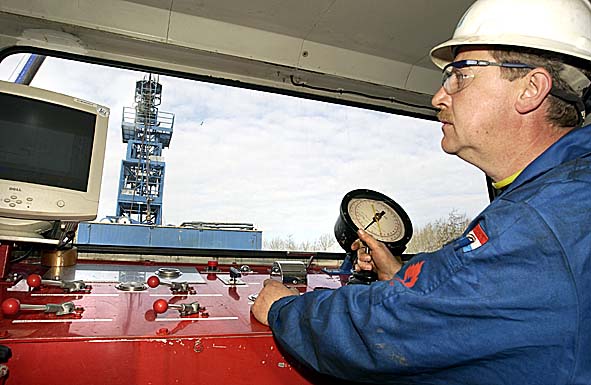
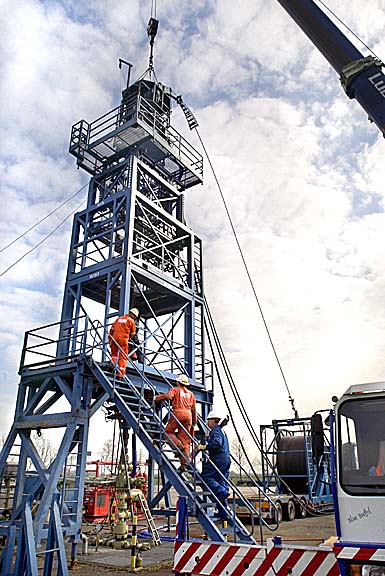
Coiled Tubing reach, buckling, and stuck-pipe issues
Reach, buckling, and stuck-pipe problems are key considerations when deploying coiled tubing into highly deviated or horizontal wells. Accurate force modeling and careful operational control help ensure the tubing reaches the target depth without lockup, excessive drag, or loss of the bottomhole assembly.
Predicting reach and controlling buckling
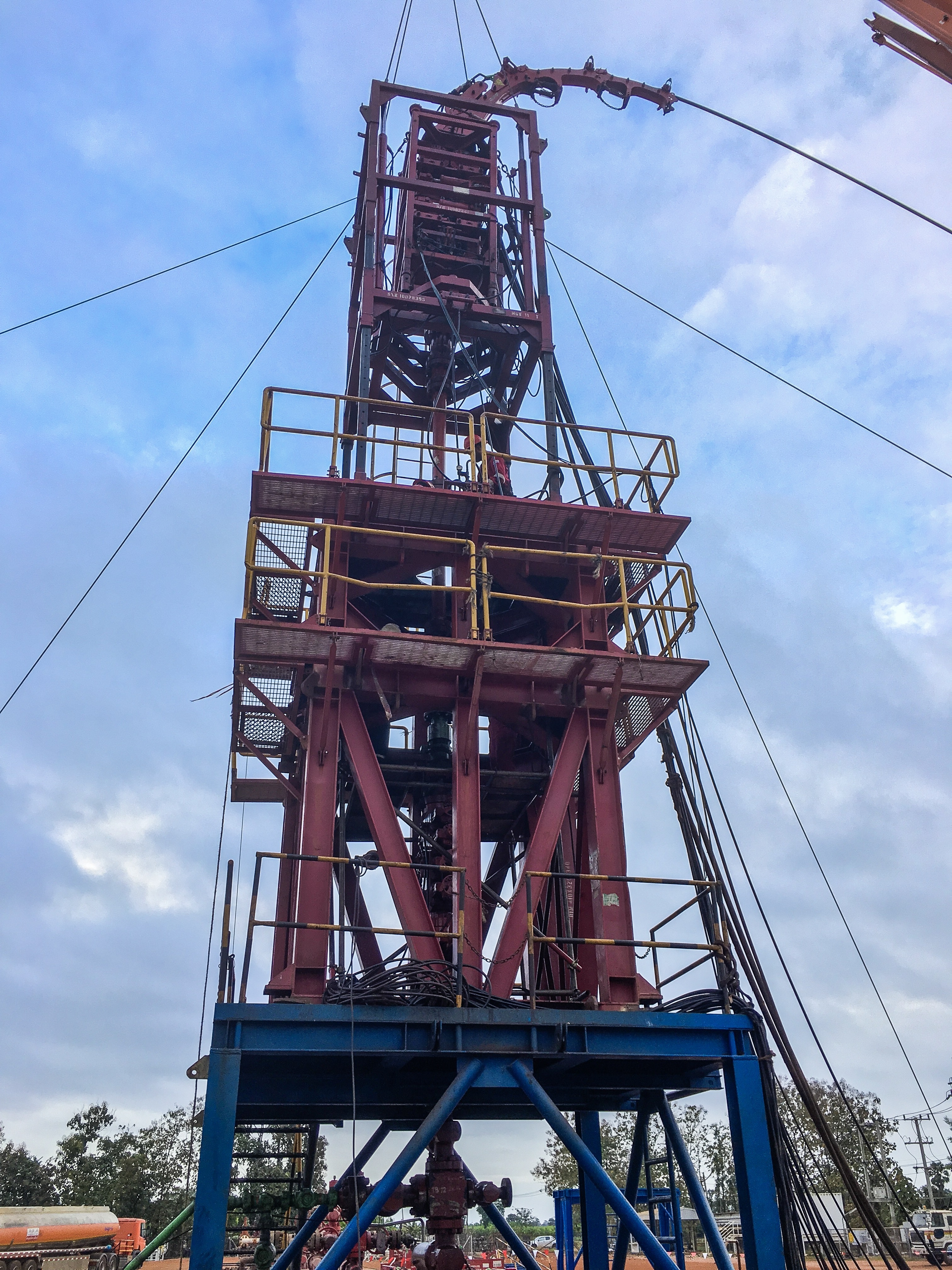
As coiled tubing moves through a deviated well, friction and compressive loading can cause sinusoidal and then helical buckling, reducing the force transferred downhole. Engineers model well trajectory, tubing dimensions, friction, pressure, and injector forces to establish safe operating limits and determine whether the planned target is achievable.
Preventing lockup and stuck equipment
Cuttings beds, scale, restrictions, differential pressure, poor hole cleaning, and aggressive running speeds can trap the tubing or bottomhole assembly. Continuous monitoring of weight, pressure, circulation returns, and running speed—supported by effective cleanout practices and predefined contingency procedures—reduces the likelihood of sticking and improves recovery options.
Coiled Tubing fatigue, integrity, and pressure control
Fatigue, integrity, and pressure control are critical to ensuring coiled tubing can be operated safely throughout its service life, particularly during live-well interventions. Effective management requires continuous tracking of tubing condition and the use of properly rated, tested, and maintained pressure-control equipment.
Managing tubing fatigue and structural integrity
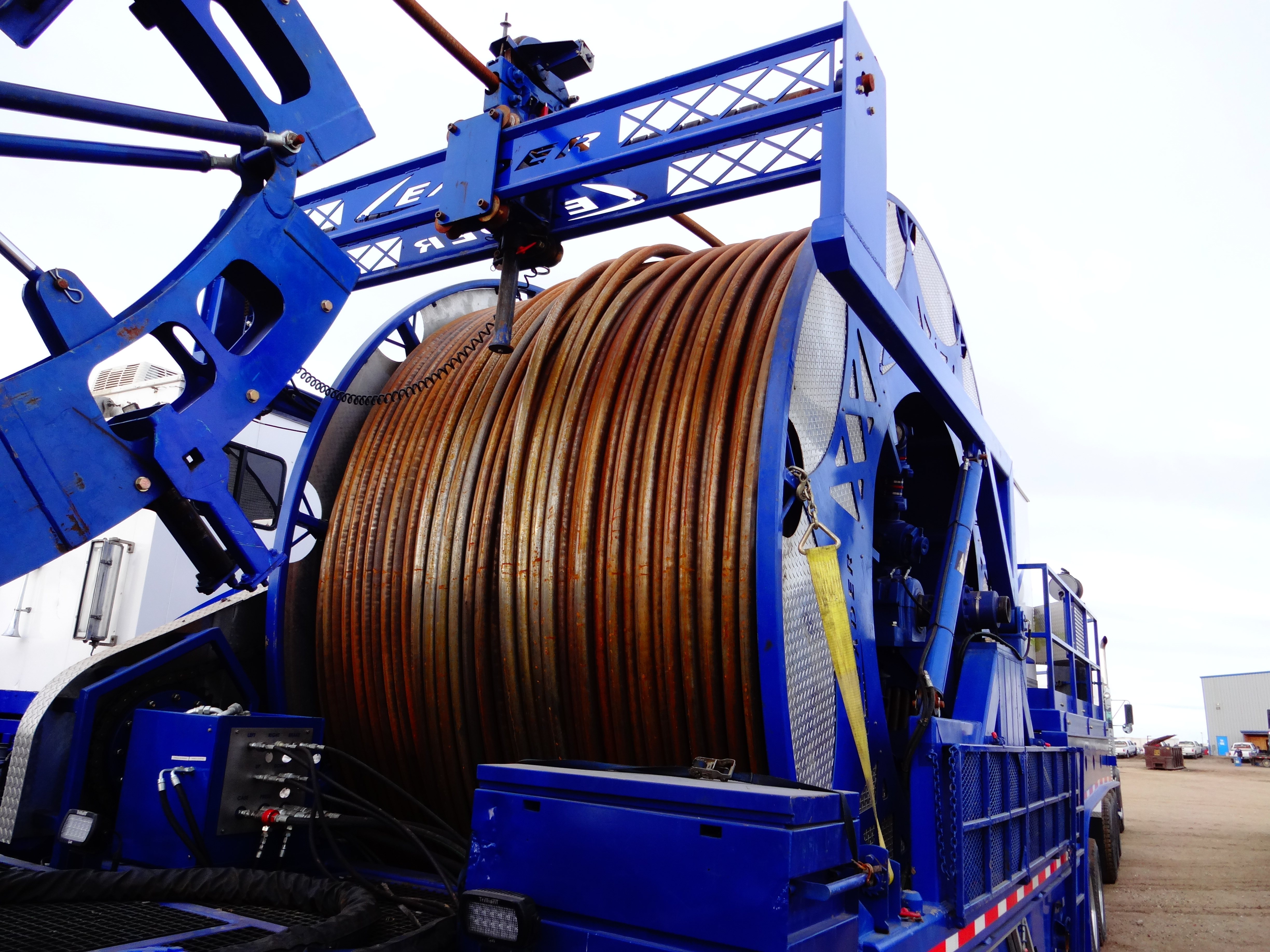
Coiled tubing accumulates fatigue each time it bends over the reel and guide arch, while corrosion, abrasion, ovality, and wall loss further reduce its strength. Operators track operating cycles, pressure history, inspections, and environmental exposure to assess remaining life and maintain adequate burst, collapse, and tensile safety margins.
Maintaining well barriers and pressure control
A stripper provides the primary dynamic seal around the moving tubing, while the blowout preventer system supplies secondary sealing, gripping, and emergency cutting functions. Safe live-well operations require equipment rated above anticipated pressures, verified barrier arrangements, pressure testing, continuous monitoring, and documented contingency procedures.
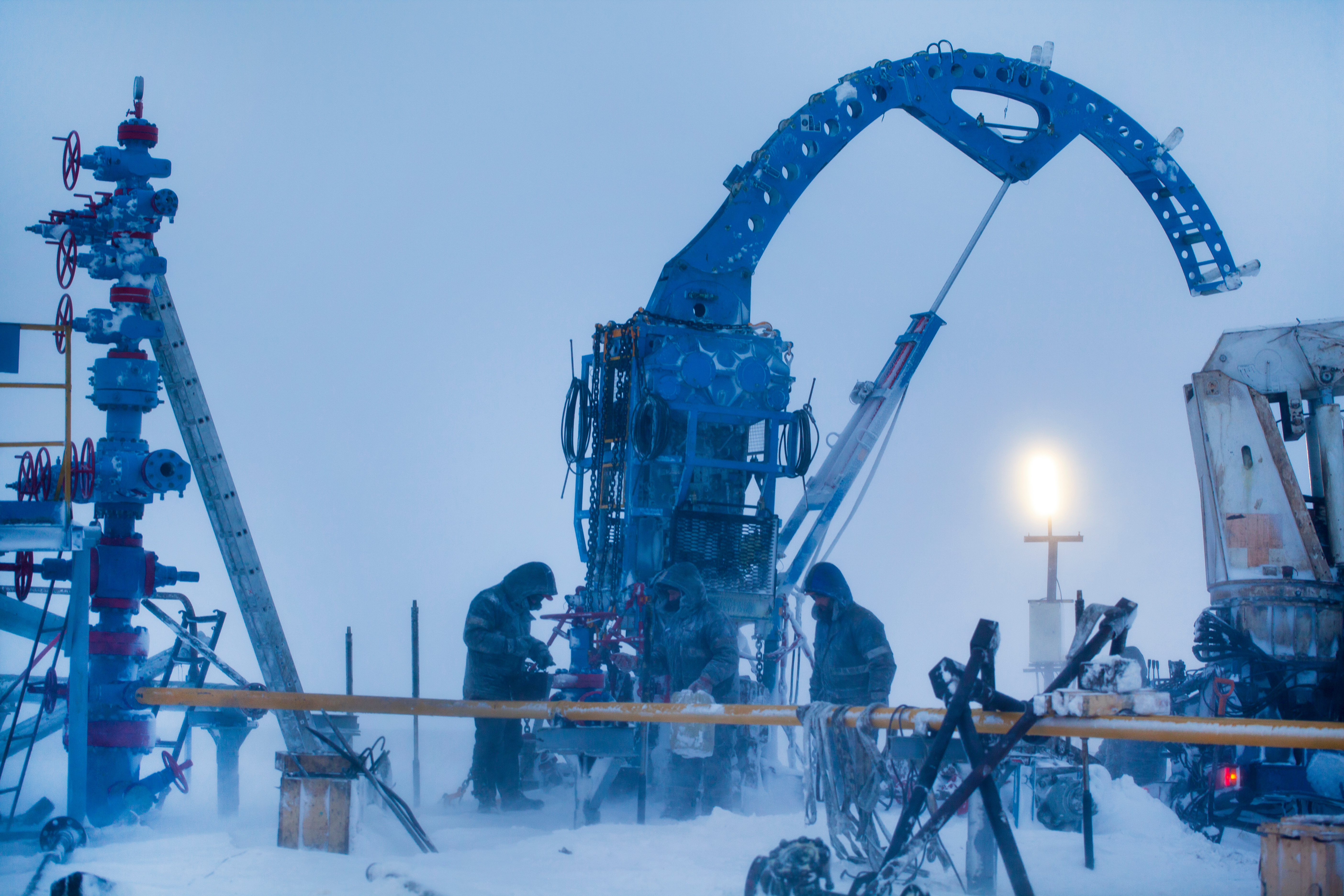

Valuable information helpt to make clear decisions
Onshore projects move better when equipment decisions are supported by clear technical information on practical understanding of projects needs.
Ballycatter helps teams review equipment options with technical structure, project-fit understanding, and practical ALARP recommendations.
Review your requirements early and clarify the equipment options that fit your project.
Contact us.