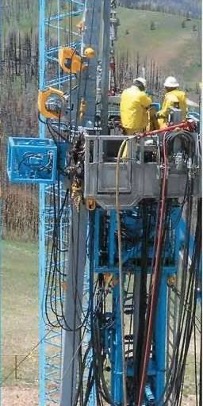


Well Intervention
Well intervention refers to operations performed on an oil or gas well during or near the end of its productive life to assess its condition, maintain or improve production, and resolve mechanical or flow-related problems.
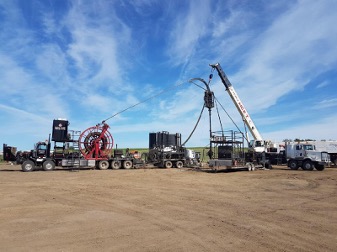
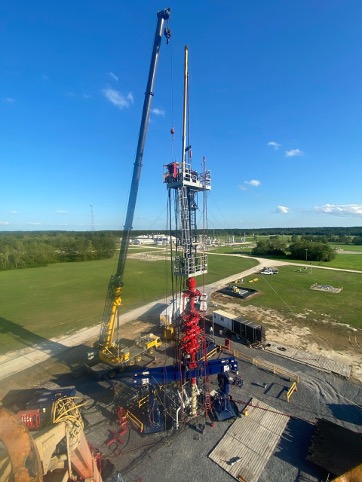
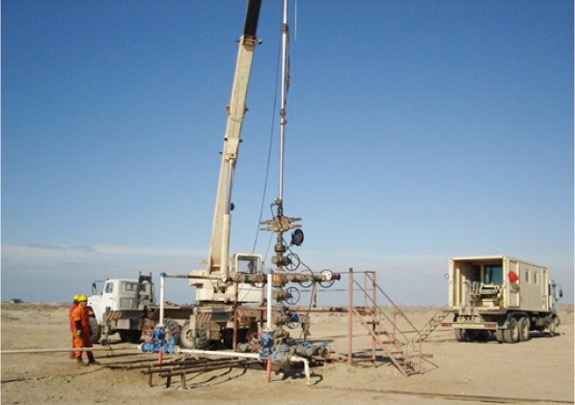
A Toolbox of Equipment for Well Work
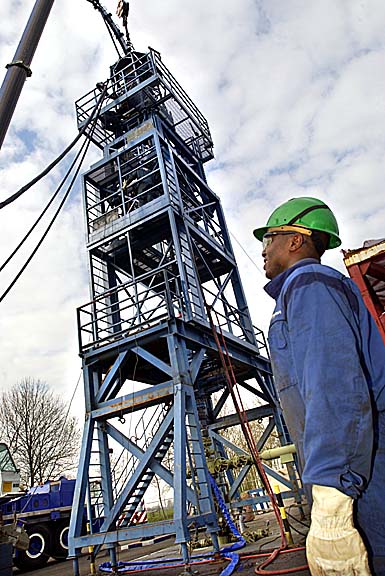
Well Interventions can range from relatively simple tasks—such as monitoring pressure, removing buildup, or replacing downhole components—to more complex operations involving coiled tubing, wireline tools, or a snubbing unit. The aim is to restore or enhance the safe and efficient flow of hydrocarbons while protecting personnel, equipment, and the environment.
White Papers
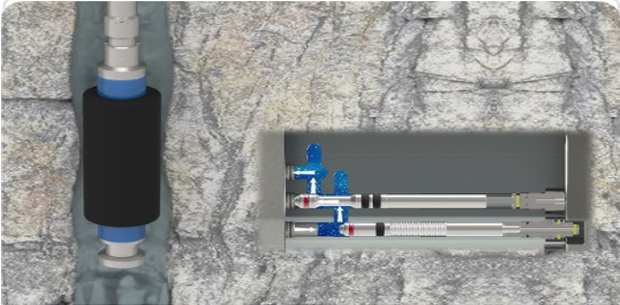
Well intervention practical methods, operational issues, and risk mitigation
The common issue of well integrity and pressure control has to be addressed to ensure safe operations. Considerations include barrier philosophy, BOP configurations, maximum anticipated wellhead pressure, pressure testing, sustained casing pressure, corrosion, tubing leaks, and safety-valve repair.
How to minimize the risks involved with Well Interventions?
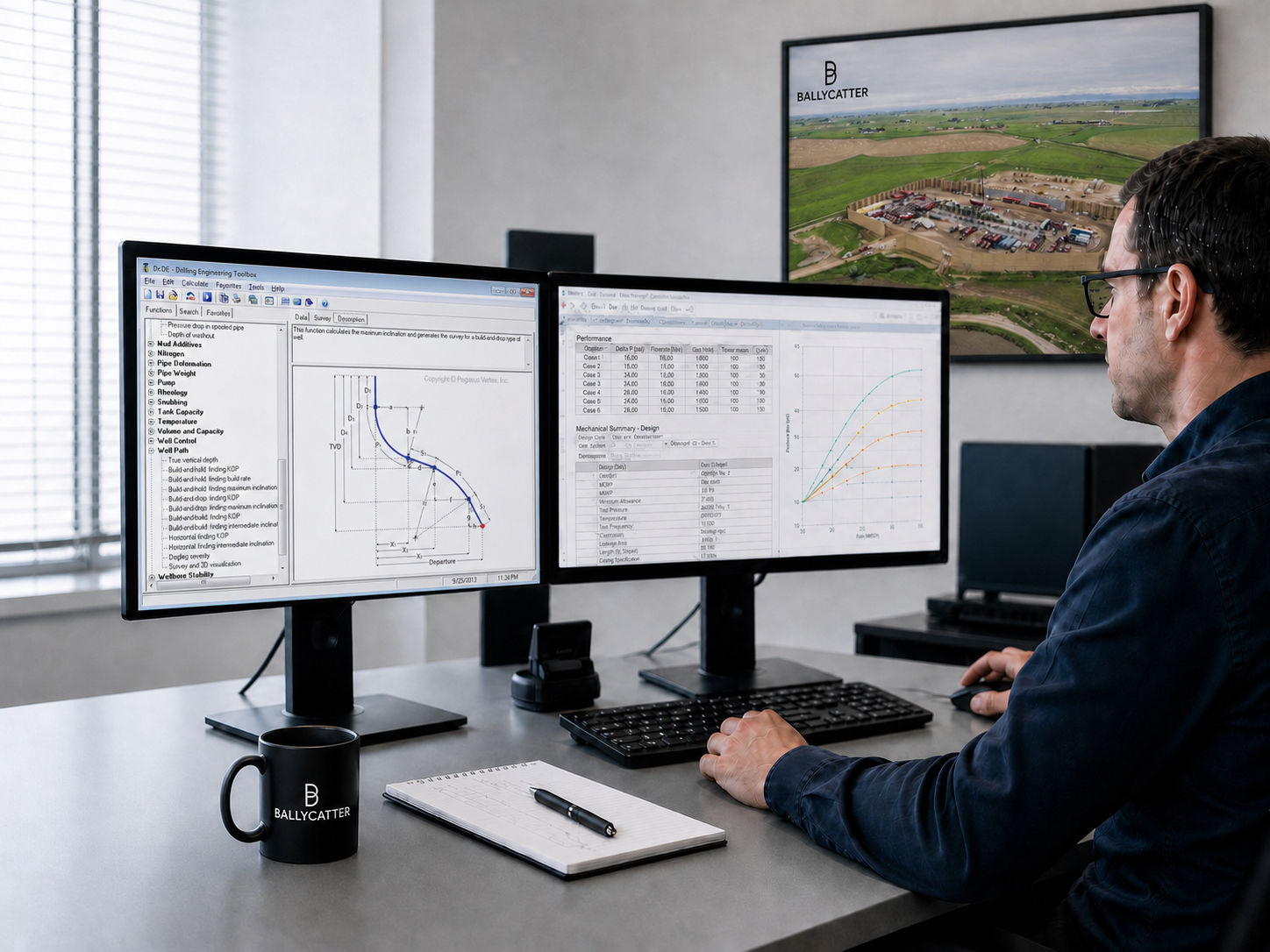
Effective well intervention planning includes a focus on force analysis, hydraulics, fluid velocity, solids transport, tubing fatigue, pressure-loss calculations, equipment selection, operational procedures, risk assessments, contingency plans, and cost estimates. Risk can be reduced by applying industry standards API Spec 5ST, API RP 16ST, API Spec 16B, NORSOK D-002, ISO-16530, well-intervention pressure-control certification, barrier requirements, and IWCF well-intervention training.
White Papers
Examples of how well interventions can increase production?
Well Interventions can boost production by treating the following issues;
- Removing scale, sand, wax, hydrates, or liquid loading
- Diagnosing declining production
- Water or gas shutoff
- Restoring injectivity
- Repairing damaged tubing or casing
- Restarting shut-in wells